A deep “11” between the brows that only softens when you stop frowning. Crow’s feet that crease before your eyes fully smile. A forehead that looks shiny and stretched after heavy dosing. These are not just lines, they are patterns of movement, muscle dominance, and dosing decisions. The difference between an elegant, rested look and a frozen mask often comes down to how well your Botox plan is tailored to your face.
I have treated faces that barely needed five units to calm twitchy glabellar lines and others that required careful layering up to 35 units across the forehead and brow to rebalance strong frontalis and procerus muscles. Success rarely hinges on a single syringe. It depends on mapping your muscle behavior, understanding your expressive baseline, and planning for how those muscles will adapt to botulinum toxin over the next 3 to 4 months.
What “customization” really means with Botox
Customization of a botox treatment is not just a lower dose or a marketing term for “natural looking botox.” True customization blends technique, dosing precision, timing, and anatomy. It starts with how you use your face. Do you lift your eyebrows to see at a computer? Do you squint at the gym? Are you highly expressive during conversation? Each habit carves patterns.
Botox for wrinkles works by temporarily relaxing targeted muscles, reducing the pull that creates dynamic lines. If dosing is too light for a dominant muscle, results fade quickly. If dosing is too heavy or poorly placed, you can end up with flat brows or eyebrow heaviness. Custom planning calibrates:
- Target muscles and injection points Unit dosing per site, often asymmetric Interval and maintenance strategy across the year
These decisions shift based on your wrinkle age, not just your chronological age, your skin elasticity, and your past exposure to neuromodulators.
Reading your face: the consultation that sets the plan
A thorough botox consultation should feel like a functional assessment, not a quick “how many units do you want?” appointment. I ask patients to make specific expressions: frown hard, raise brows in thirds, squeeze eyes, smile naturally, then over-smile. I watch how the skin bunches and where the muscle belly is strongest. I look for brow position at rest, upper eyelid show, and how lateral brow tails move when you raise your forehead.
During this mapping, I palpate the frontalis to find dense bands and note asymmetries. Most people have a stronger side. A right-handed person often has a stronger right frontalis and more assertive right corrugator. Crow’s feet can look symmetrical when you smile, yet the orbicularis oculi may engage more on the side you sleep on because of subtle tissue laxity. Good botox facial injections account for these quirks with unequal dosing.
Two additional checks matter:
- Brow support and forehead function. If your eyelids are heavy or you have mild brow ptosis, your frontalis compensates to keep the field of vision open. Over-treating the forehead in this case causes heavy brows and a tired look. The plan may prioritize a careful botox brow lift pattern over full paralysis. Skin quality and baseline etching. If dynamic wrinkles have become etched-in lines, botox wrinkle smoothing helps, but results improve with adjuncts like skin hydration, microneedling, or laser to remodel the dermis. Expect a series approach.
Choosing your approach: baby Botox, micro-dosing, or full correction
The terms vary by clinic, but the logic is consistent: adjust the volume and diffusion to fit the goal.
Baby botox or light botox treatment usually means smaller, strategic doses to soften movement without limiting expression. I reach for this when someone needs subtle botox before a wedding or a high-visibility event, or when a patient is new to botox cosmetic and wants to test responsiveness. Expect faster return of motion, often by week 8 to 10.
Full correction targets dominant muscles at effective doses to fully relax high-crease zones like the glabella (frown lines) or crow’s feet. This is ideal for deep lines that animate strongly. Natural looking botox still comes from placement, not just from using half the necessary dose.
Micro botox sometimes refers to superficial, micro-droplet placement that refines texture and pore appearance rather than deep muscle relaxation. It is best for skin sheen and subtle smoothing on the lower face or T-zone, but it is not a substitute for botox for frown lines or a standard botox eyebrow lift. Consider it an add-on for skin rejuvenation, not your core wrinkle relaxing injections.
Forehead lines: where plans succeed or fail
Botox for forehead lines looks simple, yet the frontalis is the only elevator of the brow. Blunt it too much and the brow drops. Under-treat it and horizontal lines persist.*
The key is grid placement with graded dosing. Heavier units centrally only when the frontalis belly is strong there, lighter units superiorly to preserve lift. If someone lifts the brow tails with every sentence, I keep the lateral third lightly dosed or skipped to maintain that lateral brow arch.
Spacing should reflect the patient’s forehead height. A small forehead risks product diffusing to the brow depressors if placed too low, leading to brow heaviness. A tall forehead may need an extra superior row to maintain even smoothing.
I often anchor forehead plans to the glabella. If the corrugators and procerus are strongly pulling down, curing their downward pull allows lighter frontalis dosing and a cleaner, natural result. You cannot fix a heavy brow by hammering the frontalis alone. This is why customized botox treatment links zones rather than treating them as isolated islands.
Glabellar lines: controlling the scowl without a flat look
The glabellar complex includes the corrugators and procerus, with some contribution from the depressor supercilii. Strong medial brow pull causes the “11” lines and a vertical furrow. Standard on-label dosing is a template, but faces rarely match the diagram. If one corrugator is denser, split the units accordingly. If a patient has a higher medial brow bone or thicker tissue, a slightly deeper injection angle helps reach muscle.
For patients worried about looking stern even when relaxed, botox for glabellar lines can be life-changing. The risk is an over-softened medial brow that looks blank. To avoid that, maintain modest forehead activity and keep lateral brow mobility where possible. An artful botox brow lift happens when the central brow relaxes and the lateral frontalis is preserved.
Crow’s feet: smile lines and eye shape
Botox for crow’s feet must respect eye shape. Aggressively relaxing the orbicularis oculi can flatten the outer eye, dulling warmth in the smile. I prefer a tapered dosing pattern that treats the true radiating lines while sparing fibers that lift the cheek slightly during a smile. In patients with hollowing or thin skin at the temple, I keep injections superficial and conservative to reduce bruising and unnatural flattening.
If someone has heavy under-eye creasing or malar lines, be mindful. Neuromodulator placement too close to the lower lid margin can affect lid support. Safer strategies include skin treatments or small-volume fillers laterally, rather than chasing every small line with botox shots.
The case for preventative botox and timing your entries
Preventative botox is often misunderstood. It does not freeze a 25-year-old face as an insurance policy. It moderates repetitive movement patterns before they carve permanent etching. The sweet spot is when lines are present during expression but largely absent at rest.
Light dosing every 4 to 6 months may delay deeper etching in high-movement zones like the glabella or crow’s feet. The benefit is smoother aging, not a halt to all lines. Once etching appears at rest, you can still improve it, but expect a series approach and a blend of botox therapy with skin remodeling treatments.
Natural results depend on respecting facial balance
The face is a set of vectors. Glabella pulls down and in, frontalis lifts up, orbicularis oculi squeezes in and down. When you relax one vector, the others change. A customized botox plan anticipates these shifts.
If someone wants a botox New Providence botox services eyebrow lift, simply adding a couple of units under the lateral brow tail is rarely the answer. The elevation effect often comes from weakening the brow depressors medially, then lightly relaxing the lateral frontalis to let that segment lift cleanly. Likewise, if you have strong lateral hooding, conservative dosing is safer. Some lift may come from treating the tail of the orbicularis, but heavy dosing risks unnatural changes in smile and blink.
Plan for harmony. The goal is not a static face. It is a face that moves, but does not crease deeply.
Dosing ranges and expectations without the guesswork
Unit counts vary. A petite forehead with soft muscle tone may need 6 to 10 units across the frontalis. A tall forehead with dense bands may need 10 to 20 units, sometimes more, spread in multiple points. Glabellar lines commonly respond to 12 to 24 units depending on strength. Crow’s feet at 6 to 12 units per side is typical, modified by eye shape and tissue thickness.
These ranges are not promises. The right dose is the smallest amount that achieves the desired relaxation without collateral effects. If you metabolize quickly or exercise intensely, your botox longevity may trend shorter. If you barely move and have fine tissue, you may get longer than average wear.
How long Botox lasts and when to schedule maintenance
How long does botox last? Most patients see peak effect at 10 to 14 days. Results generally hold 3 to 4 months, sometimes 2 months in fast metabolizers and 5 to 6 months in low-movement zones. The first two cycles provide the most learning. We watch how you move at week 2, then again at week 8, and use that information to set your maintenance rhythm.
Botox maintenance works best when it aligns with your calendar and your habit cycles. Teachers often prefer touch-ups before term starts. Frequent public speakers time sessions before heavy speaking seasons. If you like a constant, barely-there motion, schedule at 3-month intervals. If you prefer some return of movement before retreatment, 4 to 5 months works.
A botox touch up at two weeks is common when a small band persists. I encourage patients to wait until day 10 at least before judging symmetry, since onset is still ramping.
Is Botox safe and what are the side effects?
Is botox safe? For most healthy adults, yes, when administered by trained practitioners using FDA-approved botulinum toxin cosmetic products and proper technique. The most common botox side effects are temporary and local: mild headache, pinpoint bruising, tenderness at injection sites, and small bumps that settle within an hour. Less common issues include eyelid or brow ptosis, asymmetry, or smile changes when dosing migrates into unintended fibers. These effects, while unsettling, usually fade as the neuromodulator wears off.
I screen for neuromuscular conditions, pregnancy, breastfeeding, active infections in the treatment area, and recent blood thinners. Aspirin, high-dose fish oil, and certain supplements increase bruising risk. If you have a big event, we plan at least two weeks ahead to allow any minor bruises to clear and the botox results to peak.
The procedure day: small decisions that shape results
A well-executed botox procedure is efficient and methodical. Makeup is removed from the treatment areas, the skin is cleaned, and we map points. I ask patients to animate while I place dots, then relax. Botox injectable units are drawn to precise amounts per site, often with subtle asymmetry.
A fine needle is used for botox facial injections, and the discomfort is quick. I use gentle pressure and ice afterward to reduce bruising. Aftercare is straightforward: avoid heavy pressure, aggressive facial massage, or strenuous exercise for several hours. Keep your head upright for a few hours and skip saunas that day. Normal cleansing and light skincare are fine. Results begin to surface by day 3.
Upper face vs. full face botox: what belongs where
Upper face botox targets the forehead, glabella, and crow’s feet, the classic trio for wrinkle relaxing treatment. Full face botox may add areas like bunny lines on the nose, a gummy smile, lip flip, DAO reduction at the mouth corners, masseter slimming, or chin dimpling. Some of these are off-label uses but common in aesthetic practice.
Precision matters more outside the upper face. The lower face has complex muscular interplay for speech, smile, and eating. Less is more. For example, a subtle lip flip uses low-dose neuromodulator along the vermillion border to reduce inward roll, but overdoing it affects articulation. Masseter treatment softens jaw clenching and can contour the jawline over months, yet it must be balanced if there are TMJ concerns or chewing patterns to consider.
Why some people look “done” and others look rested
Two factors dominate: injector judgment and patient goals. If someone requests no movement, they can get a flat look that photographs well but feels off in daily expression. On the other hand, ultra-light dosing across every muscle can produce a patchwork of lines that move in odd directions.
The sweet spot lives in your lifestyle and communication. Tell me where you want expression preserved. Laugh lines that map your personality may stay partially alive. High-definition cameras at work might push you to a cleaner forehead. The best botox cosmetic injections start with that conversation.
Combining neuromodulators with skin treatments for etched lines
Botox wrinkle prevention handles movement. Etched lines need dermal support. If your forehead has shallow tracks visible at rest, I often pair neuromodulator treatment with skin therapies spaced across months. Options include microneedling, fractional laser, or light resurfacing peels. In select cases, microdroplet hyaluronic acid can be used conservatively in static forehead lines, though this requires caution to avoid vascular risk and surface irregularities.
Skin hydration and UV protection are not window dressing. Hydrated, well-protected skin shows better botox effectiveness. Daily sunscreen reduces the rate of collagen breakdown that etches lines, and consistent moisturizers help the surface reflect light more evenly, enhancing the softening that botox wrinkle reduction provides.
Managing asymmetry: most faces are not mirror images
Every face carries quirks. One brow may sit higher. One crow’s foot fan may be wider. When mapping botox for fine lines, we do not force perfect symmetry if it fights your baseline structure. Instead, we respect your native geometry and smooth lines along that plane. If you always lift one brow while you speak, the plan may accept that signature motion and target the accompanying line pattern rather than suppressing your expression.
Asymmetry adjustments are common at the two-week review. I prefer small corrective moves, often 1 to 3 units, to refine the balance.
Tracking your response: notes, photos, and patterns
I keep photo documentation at rest and during expression at every botox appointment, with unit maps and comments about onset and durability. Patterns emerge. Some patients metabolize faster on the right side. Some return of motion in crow’s feet coincides with allergy seasons due to squinting. These details help fine-tune. By the third session, most plans are dialed in so maintenance is quick and predictable.
This tracking becomes especially useful for seasonal changes. In summer, with more squinting outdoors, I may increase lateral canthus dosing by 1 to 2 units per side. In winter, dryness accentuates etched lines, so I pair treatments with targeted skin hydration and gentle resurfacing.
Cost and value: where the budget meets the plan
Botox pricing is often per unit. A conservative forehead, glabella, and crow’s feet plan may range widely depending on geography and clinic reputation. Instead of chasing the lowest price per unit, think in terms of correct dosing for your anatomy and an injector who will review at two weeks. Under-dosing to meet a budget often leads to extra visits and frustration. On the other hand, more units are not always better. The value is in precision.
If budget is tight, prioritize the zone that ages you most in photos, often the glabella for younger patients and the crow’s feet or forehead for those with more sun exposure. You can phase the treatment, starting with the most expressive area and adding others later.
When Botox is not the right answer
Not every wrinkle is a movement wrinkle. Sleep lines, cheek creases from volume loss, and etched vertical lip lines from chronic sun damage respond poorly to neuromodulators alone. If brow heaviness comes from true tissue laxity, an aggressive botox eyebrow lift will not fix it and might worsen the look. Neck banding can improve with neuromodulators in selective cases, but skin laxity may need energy devices or surgery.
Medical histories also shape decisions. Active autoimmune flares, certain neuromuscular disorders, or pregnancy tilt the balance toward delaying treatment. A careful injector will tell you when to wait or choose different therapies.
What to expect week by week
Day 1: Pinpoint redness fades in minutes, you may feel a dull ache in tight muscles.
Day 3 to 5: Early softening starts, especially in the glabella. You may still see plenty of movement.
Day 7 to 10: Most zones reach functional peak. The forehead lines look smoother, frown lines resist deep folding, crow’s feet soften.
Day 14: Full assessment point. If a band persists, tiny adjustments top it up.
Weeks 6 to 8: Results are steady. Skin texture looks better because creasing is reduced.
Weeks 10 to 12: Motion begins to return gradually. Plan your next botox appointment if you prefer continuous smoothing.
A practical, customized pathway for first-timers
For someone new to botox therapy, I suggest a simple, staged plan:
- Start with your priority zone, usually glabella and a light forehead pattern if needed for balance. Reassess at two weeks. If crow’s feet still bother you, add them then or at the next cycle. Track onset and longevity. By cycle two, adjust units to your metabolizer type. Once stable, decide how expressive you want to be between visits. That defines your maintenance interval.
Keeping early treatments conservative but purposeful builds trust and avoids the jarring jump to a frozen look. Most first-timers are surprised by how normal they feel, just less creased on video or in bright light.
The quiet artistry of needle placement
Technique is not just where the dots go. Angle, depth, and rate of injection reduce diffusion to unwanted fibers. The botox needle treatment for a corrugator belly differs from a superficial fan at the crow’s feet. Some areas benefit from intradermal micro-droplets to polish surface crinkling, while others demand a direct hit into a muscle core. Good injectors adapt with each point guided by anatomy, not rote habits.
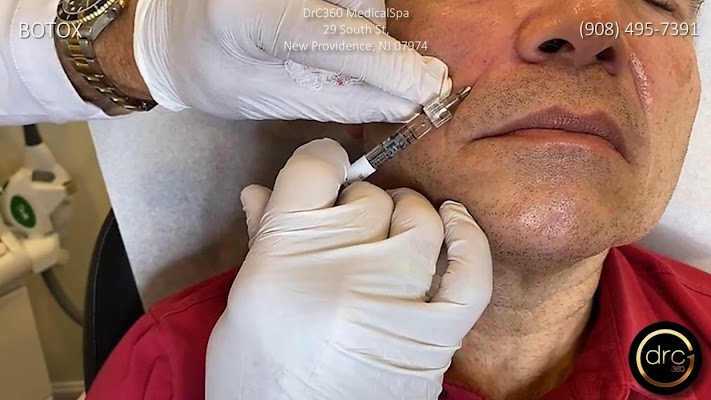
I also watch how product behaves in different tissues. Thicker skin can tolerate a slightly deeper deposit. Thin, vascular skin at the temple demands slow, superficial placements with gentle pressure afterward.
Setting authentic goals
The most successful botox aesthetic treatment aligns with how you want to present yourself. Executives who need authority may prefer minimal brow softening but crisp glabella control. Actors might accept more crow’s feet motion to preserve emotive range. New parents running on no sleep often want a subtle botox lift to look rested without telegraphing that anything was done.
Share these goals. Bring a few photos of your face at times you liked how you looked. Even better, show short videos while speaking. Dynamic review beats static selfies.
What “before and after” really means
Botox before and after photos are useful, but honest assessment happens in motion and in real lighting. A perfect “after” at rest can be misleading if your smile looks odd or your brow feels heavy while reading. Ask for a two-week video check in different expressions. The goal is botox wrinkle smoothing that works in daily life: squinting in the sun, chatting on a video call, laughing at dinner.
When to change course
If your botox results feel short-lived cycle after cycle, reconsider unit placement or the product used. If you consistently dislike how your brows sit, reduce the forehead dose and shore up the glabella. If crow’s feet look too flat, taper the lateral points, reduce units, or widen spacing. If etched lines persist despite good relaxation, add a skin treatment or accept that not every line should vanish.
Medical changes matter too. New medications, hormonal shifts, or heavier workouts can change botox longevity. Update your injector so your plan can evolve.
Final thought: build a plan that respects your face
A customized botox plan is a living document that reflects your anatomy, habits, and goals. It is not a unit count copied from a friend. It is not a promise to erase every line. It is a map of small decisions that add up to a rested, clear, and expressive face.
If you invest in the front-end work, the rest becomes easy. Map your movement. Dose with intention. Preserve signature expressions. Review at two weeks. Maintain at a cadence that fits your life. In my experience, that is how botox cosmetic becomes a reliable tool for wrinkle relaxing, not a gamble with your features.